 ÇELİK ETİKET
GENERAL
How to Choose Jar and Bottle Labels: A Guide for Honey, Pickles and Olive Oil
What to look at when choosing jar and bottle labels for products such as honey, pickles and olive oil: material, size and print.
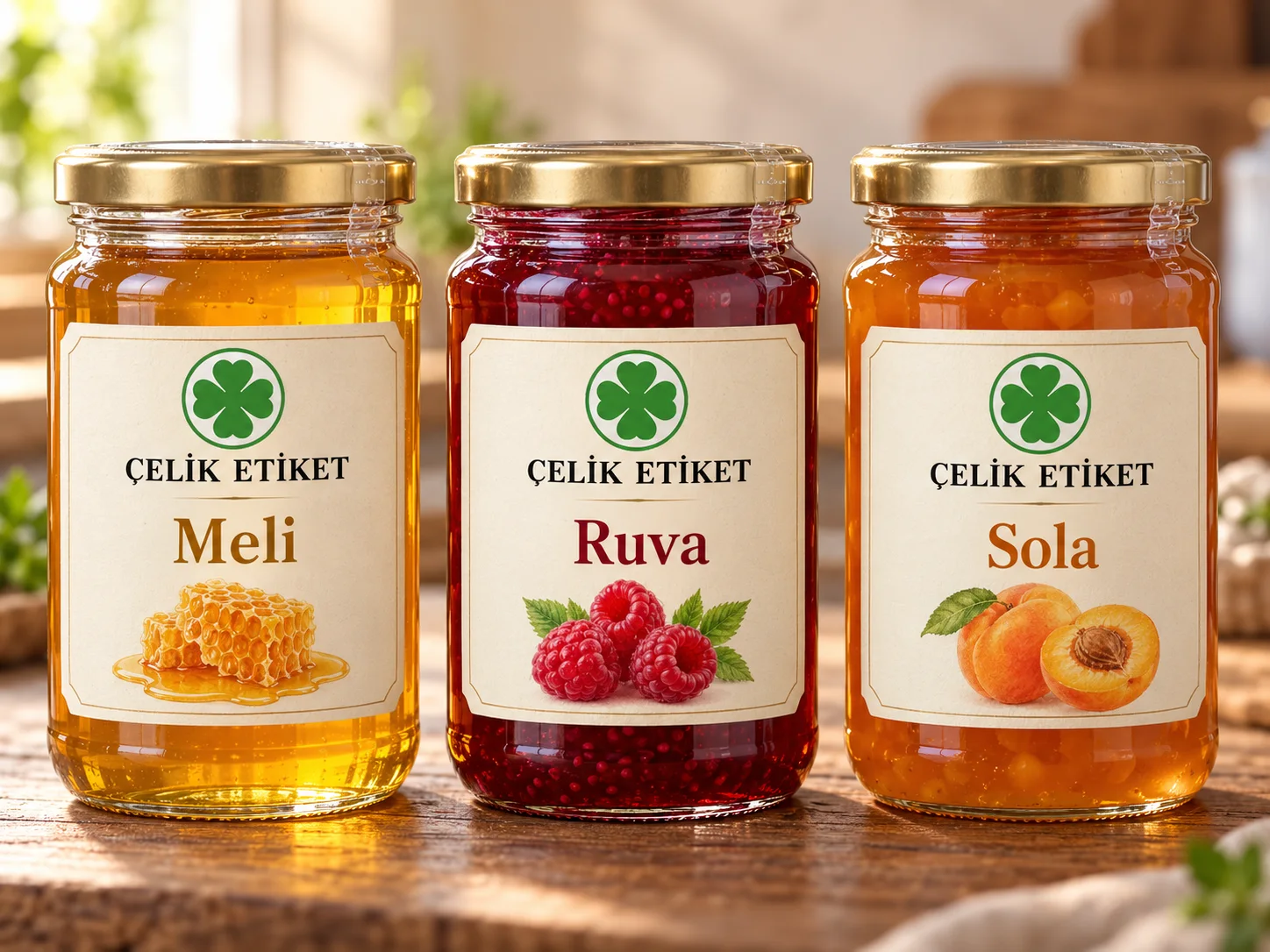
Short answer: When choosing a jar label, consider the surface (glass or plastic), whether the product is moist or oily, how it is stored and what information the label must carry. Moist products such as honey and pickles call for water-resistant film; oily products call for an oil-resistant surface.
A label is the product’s face on the shelf, but it also carries legal information. A label that swells with moisture, stains with oil or lifts at the edge damages both the look and the trust. The right choice becomes clear with a few questions.
Choosing a label step by step
- Surface: an adhesive label suits a plain glass jar; a sleeve suits a curved bottle.
- Product environment: paper, PP or clear film is chosen according to refrigeration, moisture, oil and heat.
- Legal content: leave enough room for ingredients, nutrition, dates, storage conditions and producer details.
- Size: measure the jar’s circumference and height; label edges should not overlap.
- Print: decide the number of colours, gloss or matt finish and whether you need a seal band.
Which label for which product?
- Honey and jam: an adhesive label that resists moisture and oil, plus a seal band on the cap.
- Pickles and tomato paste: water-resistant PP label; it lasts in cold and humid conditions.
- Olive oil: an oil-resistant label or a sleeve; oil stains should not spoil the surface.
- Tahini and molasses: a PP label with a wide information area; oil and adhesive compatibility matter.
- Cosmetics: a clear label or sleeve for a clean look.
What affects the price of a label?
Material, size, number of colours, quantity and cut shape set the price. For details read what determines label prices.
Related product pages: jar labels, printed labels, jar seal bands. For sector needs see our food industry and glass products pages.
Frequently asked questions
Should a jar label be water resistant?
Yes, for products stored cold, humid or where condensation forms. Honey, pickles and tomato paste belong to this group.
Which label suits a honey jar?
An adhesive label that resists moisture and oil. Adding a seal band to the cap gives first-opening assurance.
Sleeve or label for an olive oil bottle?
An oil-resistant adhesive label works on flat surfaces; a sleeve gives a better result on curved bottles.
How do I determine the label size?
Measure the jar’s circumference and the label height. The label should not exceed the full circumference or run onto the cap or base edge.
What information must a label carry?
For food: product name, ingredients, net quantity, date information, storage conditions and producer details. Check the relevant regulation for mandatory content.
Should I choose a gloss or matt label?
Gloss makes colours vivid; matt gives a plainer, more natural look. Choose to suit your brand.
Does a label leave residue when removed?
That depends on the adhesive type. Permanent and removable options exist; state your need when requesting a quote.
What should I prepare for a quote?
Jar or bottle size, product type, quantity, number of print colours and the design file are enough.
Let us choose your label together. Share your jar or bottle size and quantity and we will recommend a suitable label. Get a quote
Related posts
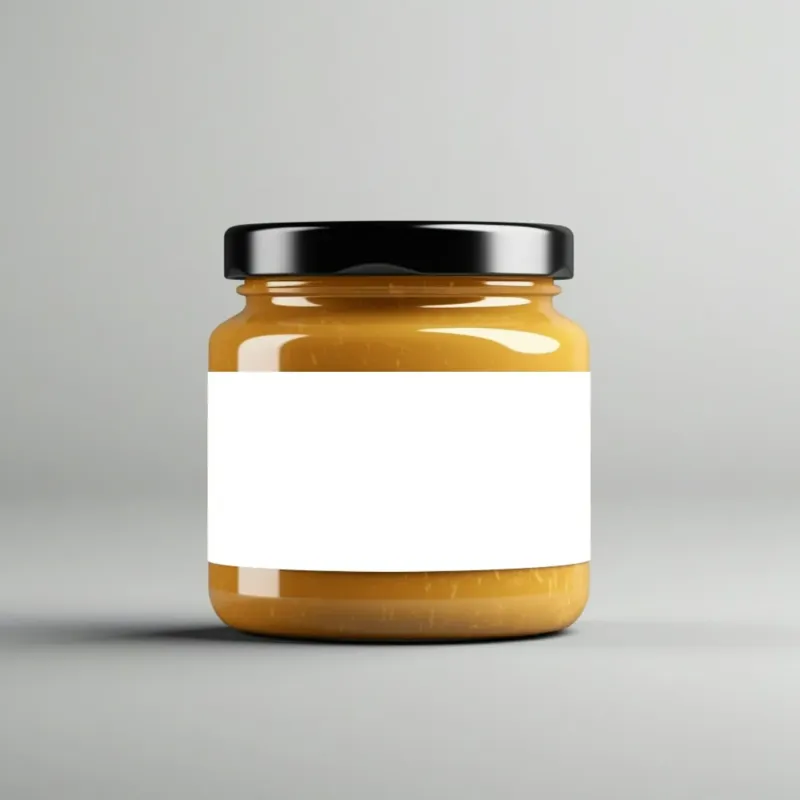
What Is a Japanese Smear-Proof Label? Where Is It Used?
What a Japanese smear-proof label is, why its ink does not run and which products and environments it suits.
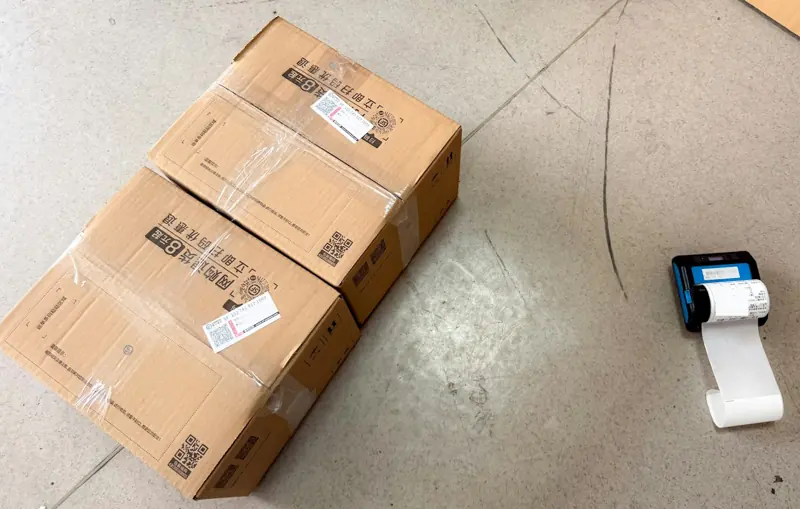
What Is a Thermal Label? Sizes and Choosing the Right Roll
What a thermal label is, how direct thermal differs from thermal transfer and how to choose a roll that fits your printer.
What Determines Label Prices? What You Need for a Quote
What determines label, sleeve and seal band prices, and the information to prepare to get a quote quickly.